Disclosure Is Already Happening — In Slow Motion
Everyone waits for the day a president confirms aliens on live television. They may be watching the wrong screen. Disclosure isn't an event. It's a process, and it started years ago.
By ÆTHERION Editorial
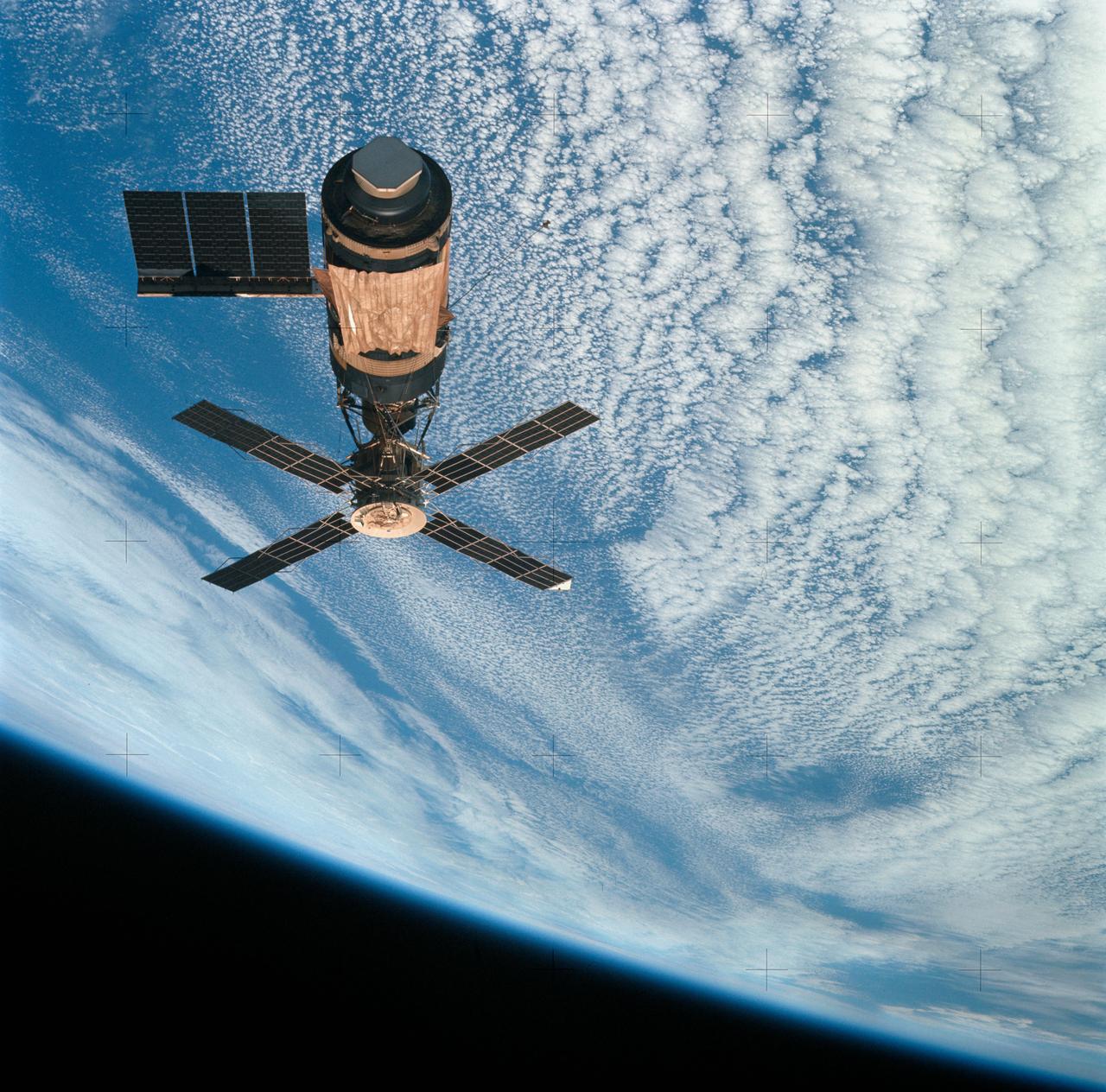
The popular imagination has a fixed picture of 'Disclosure': a solemn broadcast, a head of state, the words 'we are not alone,' a unified planetary gasp. We keep waiting for that day. In doing so, we may be missing what has actually been unfolding, undramatically, in plain sight.
Because something has changed, and it changed on the record.
The line that already moved
Rewind to 2016. To discuss recovered craft or government UAP programs in a serious newspaper was to be filed under 'tinfoil.' Now consider what has since happened — not on a podcast, but in the institutions that define the mainstream:
- ◇In 2017, The New York Times revealed a secret Pentagon program (AATIP) that had been studying UAP, and published Navy footage.
- ◇In 2020, the Department of Defense formally released and authenticated three Navy videos of unidentified objects.
- ◇In 2021, U.S. intelligence delivered a report to Congress unable to explain 143 of 144 incidents.
- ◇In 2022, Congress held its first open hearing on the subject in over fifty years.
- ◇In 2023, a former intelligence officer testified under oath that the U.S. operates a craft-retrieval program of 'non-human origin.'
Each step, taken alone, was easy to wave away. Taken together, they describe a window that has been quietly, steadily opening. The Overton window — the range of what can be said in respectable company — has shifted further on this subject in less than a decade than in the previous fifty years combined.
Why it doesn't feel like disclosure
It doesn't feel momentous because it arrives in the language of bureaucracy. 'Unidentified Aerial Phenomena.' 'All-domain Anomaly Resolution Office.' 'Preliminary assessment.' This is the vocabulary of caution, designed to inform without igniting panic — and it works precisely by being boring.
There is a theory, popular among disclosure advocates, that this is deliberate: that 'acclimation' is a strategy. Drip the public with footage, hearings, and careful admissions over years, so that whenever the larger truth arrives — if it ever does — the ground has been so thoroughly prepared that the revelation lands as confirmation rather than shock.
The skeptic's necessary caveat
None of this, it must be said clearly, confirms extraterrestrial life. 'Unidentified' means exactly that: not identified. The objects could be foreign adversary technology, sensor artifacts, classified domestic programs, or genuinely novel atmospheric phenomena. The 2023 testimony, however striking, was the witness relaying what others told him; the Pentagon denied the underlying claims. A confirmed mystery is not a confirmed answer.
The government has not admitted that they are aliens. It has admitted, on the record, that it does not know what they are. That is smaller than disclosure — and far larger than denial.
So watch the right screen. The spectacle everyone is waiting for may never come. But the process — the steady official migration from ridicule to 'we are studying this seriously' — is already history. Whatever the objects turn out to be, the era in which the question itself was forbidden is over. That, quietly, is the disclosure we actually got.